


The remains of a church where Jesus Christ allegedly healed a woman that was bleeding for many years have been unearthed.
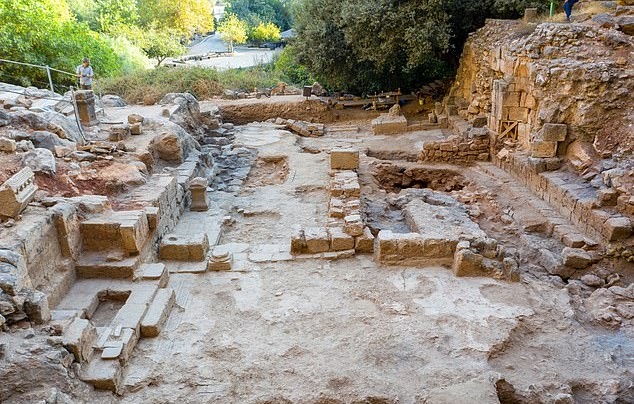
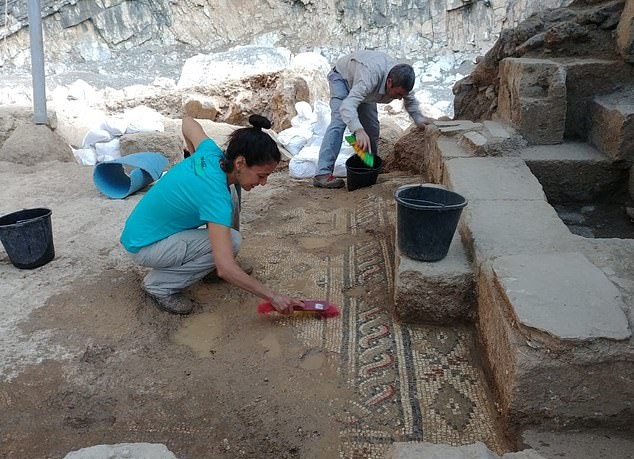
The amazing find was made under a path in the ancient Roman city of Caesarea Philippi that lies in the Golan Heights stretching between Lebanon and Syria.

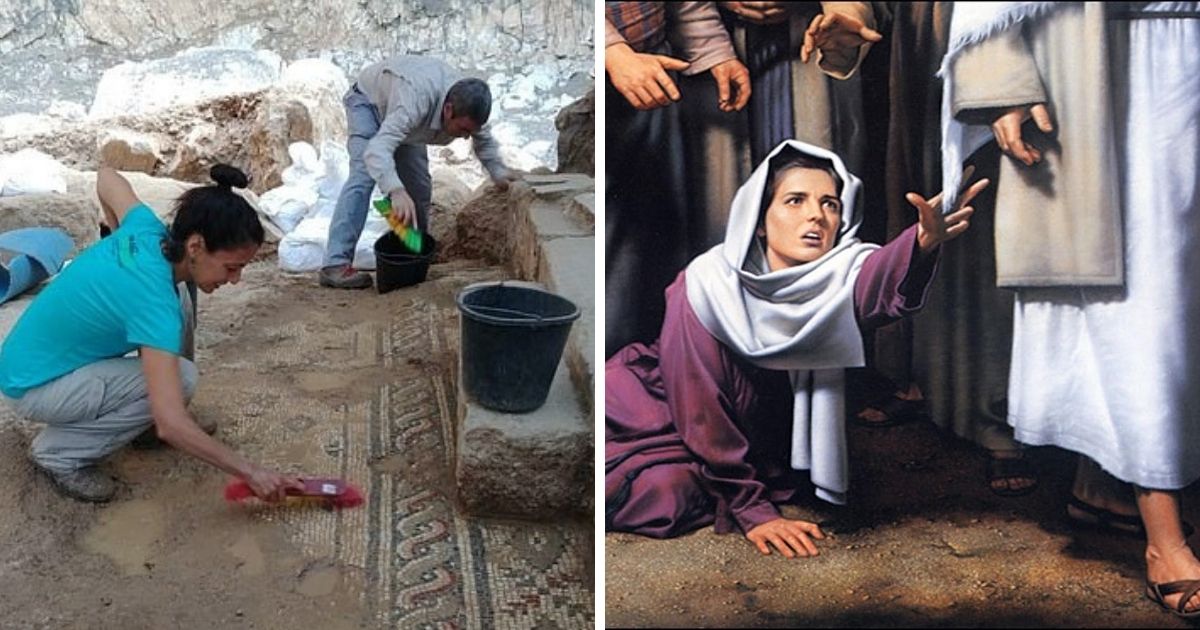
As the University of Haifa experts believe, the long-lost church they have unearthed near the springs of the ancient city fits in with the narrative in the gospels of Mark, Luke, and Matthew.
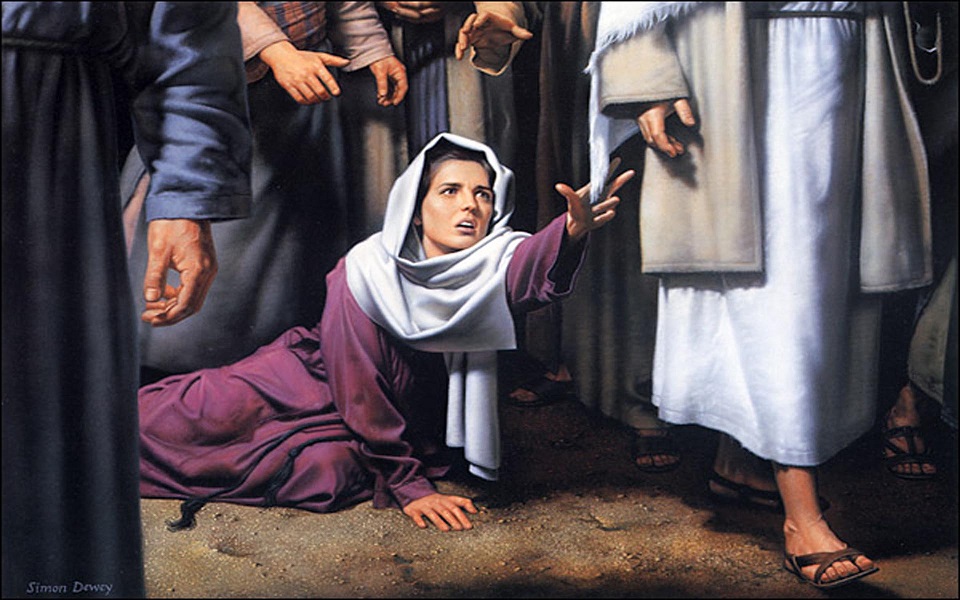
According to the Bible, Jesus healed a woman that had been bleeding for twelve years and couldn’t be cured by any doctor. After the woman walked through a crowd of disciples, she allegedly touched Jesus’ cloak and got healed in an instant.

After the miracle, as described by Luke, Jesus asked his followers who had touched his cloak knowing that a part of his power had slipped out from him.
“Then the woman, knowing what had happened to her, came and fell at his feet and, trembling with fear, told him the whole truth. He said to her, ‘Daughter, your faith has healed you. Go in peace and be freed from your suffering,’” Luke says.

According to ancient historians, the alleged miracle took place in the historical city of Caesarea Philippi. As researchers now also believe, they have unearthed the exact same church where the healing took place.
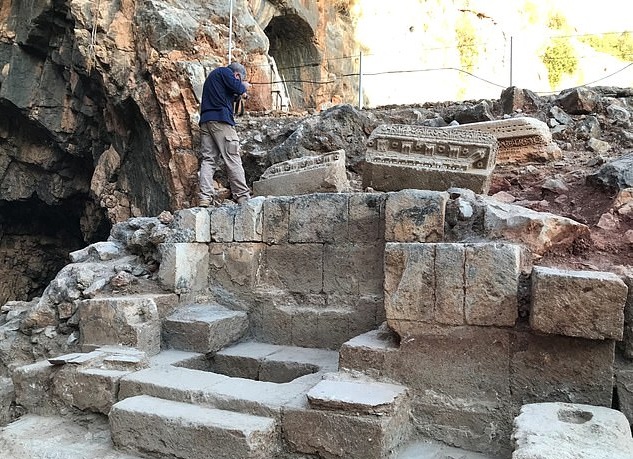

“We suggest that the church revealed by us might have been this church that was related to the miracle,” Professor Adi Erlich said.
“There is another church excavated some 30 years ago on the other side of the springs, but our little church is more of a memorial than a practical basilica for services. So it could have served as the place commemorating the event.”

At the excavation site, the archeologists came across a stone marked with crosses presumably made around 400 AD. As the experts believe, the stone was used by pilgrims who had been visiting the holy site for centuries after the miracle took place.
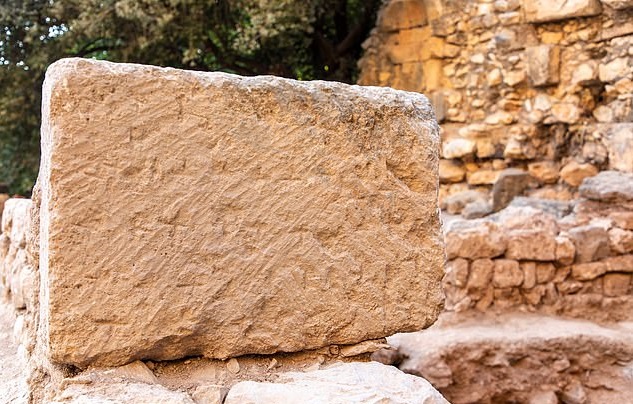

The archeologists also found an altar dedicated to Pan, the God of the Wild and one of the oldest Greek gods, which suggests that the site was used by another religion prior to Jesus Christ’s arrival.
“We found an altar with an inscribed dedication to the God, Pan, dedicated by a person from Antioch in Syria,” the archeologist added.
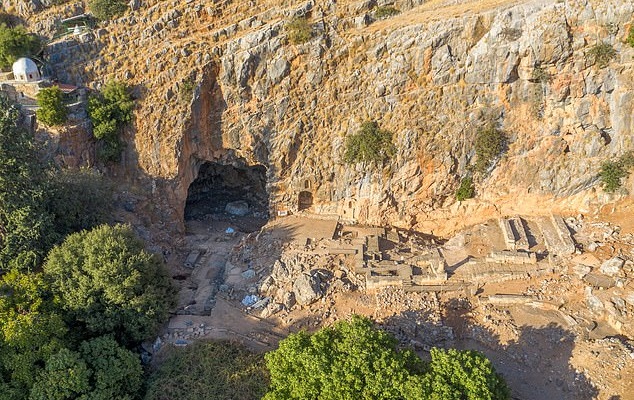

“We also found architectural elements, a cultic pool and a water aqueduct.”
What are your thoughts on this discovery? Let us know in the comments and don’t forget to SHARE this post with your family and friends. For more news and stories, follow us on Facebook!
Replaced!